
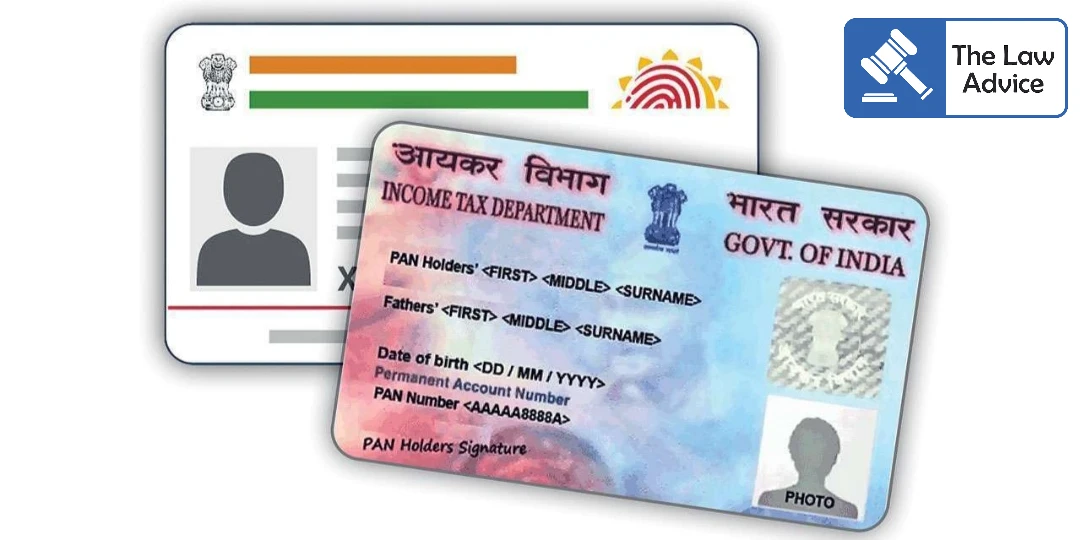
The Calcutta High Court has ruled that voter identity cards, Aadhaar cards and PAN cards are not conclusive proof of Indian citizenship, while dismissing a habeas corpus petition challenging the detention of a man alleged to be a Bangladeshi national.
A Division Bench of Justices Debangsu Basak and Ajay Kumar Gupta made the observation while hearing a petition filed by Suman Molla, who sought the release of his nephew, Nasir. Molla claimed Nasir had been detained after his name was removed from the electoral rolls during the 2026 Special Intensive Revision (SIR) exercise in West Bengal, despite an appeal against the deletion being pending.
To establish Nasir's citizenship, the petitioner relied on his voter ID card, Aadhaar card, PAN card issued by the Income Tax Department and a bank passbook. However, the High Court held that none of these documents, individually or collectively, conclusively establish Indian citizenship.
The Bench observed that a voter identity card merely shows that a person's name was included in the electoral rolls, adding that Nasir's name had since been deleted during the 2026 SIR exercise. It further held that merely operating a bank account cannot be treated as proof of citizenship.
The Court found that both the petitioner and the detainee had failed to discharge the burden of proving citizenship under the Immigration and Foreigners Act, 2025.
"Writ petitioner and the detainee are unable to discharge the burden of proof as mandated by the Immigration and Foreigners Act, 2025," the Bench observed.
Holding that Nasir's Indian citizenship had not been established, the Court declined to interfere with the authorities' decision and dismissed the habeas corpus petition.
According to the Bench, Nasir was detained on June 18, 2026, under a Ministry of Home Affairs circular dated May 2, 2025, and has since been lodged in a detention centre. The Court noted that the circular provides detainees with 60 days to establish their citizenship, but Nasir had failed to produce any document proving he was an Indian citizen by the time the matter was decided on July 20.
During the proceedings, the Court permitted the petitioner's counsel to speak with Nasir over the phone using a facility provided by the State. Nasir stated that his parents had died in India.
The Bench, however, noted that although Nasir claimed his parents were buried in India, he was unable to identify their burial places. The judges said they had considered directing DNA testing with the mortal remains of the parents to verify the claim, but neither Nasir nor the petitioner identified the burial sites.
As a result, the Court drew an adverse inference against the detainee's claim that his parents were Indian citizens.
The High Court also questioned the credibility of petitioner Suman Molla, observing that he had not approached the Court with clean hands. While he had described himself as Nasir's cousin in a complaint lodged with the police, he claimed before the Court that he was Nasir's uncle.
The petition further asserted that Molla had raised Nasir after the latter's father died in 1980. However, the Court noted that Molla is 38 years old while Nasir is 46, making the claim implausible. The Bench accordingly rejected this assertion.
Appearing for the Union government, counsel submitted that an inquiry, interrogation and verification conducted before the detention order dated June 18, 2026, concluded that Nasir was a Bangladeshi national.
Website designed, developed and maintained by webexy