
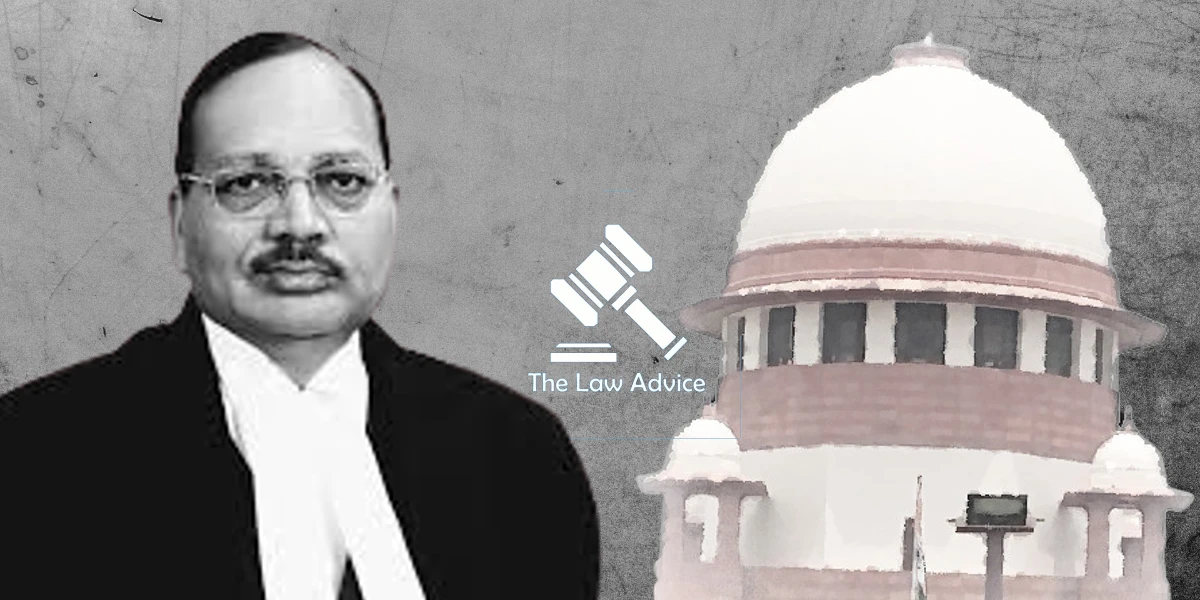
In an unusual move, the Supreme Court on Wednesday muted the audio of its live-streamed proceedings during the morning session when lawyers mentioned urgent matters before Chief Justice of India (CJI) Surya Kant.
As a result, the public and the media were unable to hear advocates seeking urgent listings or the Chief Justice's oral responses on whether such matters would be listed for hearing.
The daily "mentioning" exercise allows lawyers to request immediate listing of cases before the CJI, who decides whether a matter warrants urgent consideration. During these exchanges, the Chief Justice often makes brief oral observations while fixing hearing dates or declining requests.
The development comes days after CJI Surya Kant observed that the mentioning of urgent matters is an administrative exercise rather than a judicial proceeding and, therefore, should not be reported by the media.
The issue gained prominence following the CJI's refusal to grant an urgent hearing on a lawyer's request seeking suo motu action against the Delhi Police over its handling of student protesters.
During that exchange, CJI Surya Kant remarked, "Don't waste our time and yours," and added, "We don't want to watch any videos." Those oral observations triggered widespread media coverage and public debate.
Subsequently, the Chief Justice expressed concern that his remarks had been misrepresented.
"I have already experienced it. What I never said was thrust upon me by these people," the CJI had observed.
He also described as "reckless" media reports claiming that he had declined an urgent hearing on a petition challenging the July 20 police action against students. Clarifying the record, the CJI said only a representation had been made before the Court and no formal petition had been filed at that stage.
The petition was later listed by the Supreme Court, which went on to make strong observations regarding the police action during the subsequent hearings.
The muting of the live-stream audio also follows the Supreme Court's recent decision prohibiting the recording and circulation of court proceedings on social media, with the Court observing that it "can't be a 24x7 entertainment channel."
At the same time, the apex court clarified that its order does not restrict media reporting of court proceedings and should not be construed as a gag order.
Website designed, developed and maintained by webexy