
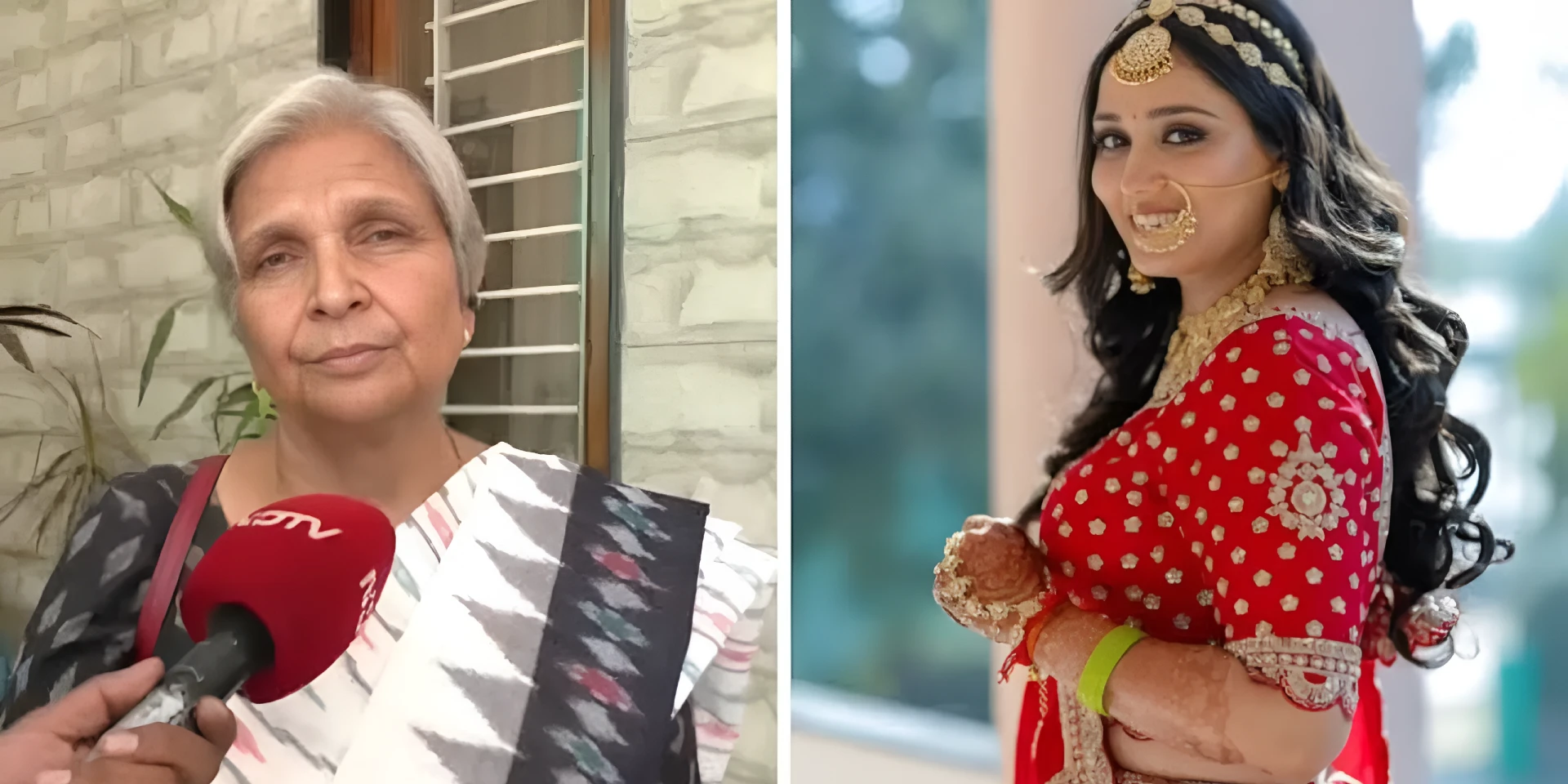
The Supreme Court on Monday asked the State of Madhya Pradesh whether the investigation into the alleged dowry death of Twisha Sharma could be handed over to the Central Bureau of Investigation (CBI).
Solicitor General of India Tushar Mehta informed the Court that the CBI was prepared to take over the investigation and assured the Bench that the necessary administrative formalities would be completed the same day.
The Court also urged the media to exercise restraint while reporting on the matter, particularly in relation to statements made by the victim’s family and the accused.
“We are slightly at pain because of some of the actions. We will request our media friends not to go for the statements of the victim’s family or the other family. Let things move as per law and procedure,” Chief Justice of India Surya Kant observed.
A Bench comprising CJI Surya Kant, Justice Joymalya Bagchi and Justice Vipul Pancholi was hearing the suo motu matter titled In Re: Alleged Institutional Bias and Procedural Discrepancies in the Unnatural Death of Young Woman at Matrimonial Home.
The Bench noted that the suo motu proceedings had been initiated against the backdrop of allegations that the investigation may have been affected by institutional bias, since the deceased woman’s husband is a practising advocate and her mother-in-law is a former District Judge.
In its order, the Court requested the media to refrain from publishing statements of potential witnesses or accused persons, observing that such reporting could prejudge issues that are still under investigation. The Bench also appealed to the public to avoid speculation and place trust in the investigative process.
The Court further advised the victim’s family to record their statements before the investigating agency instead of addressing the media.
During the hearing, Solicitor General Tushar Mehta submitted that one of the “potential accused”, Twisha’s mother-in-law, had appeared on multiple television channels and allegedly made statements maligning the victim, which subsequently triggered media reactions from the victim’s side as well. He further alleged that the mother-in-law was not cooperating with the investigation.
Senior Advocate Siddharth Dave, appearing for the accused, also expressed concern over media reportage and informed the Court that the deceased’s entire statement recorded under Section 164 CrPC had been published in newspapers.
Senior Advocate Siddharth Luthra pointed to alleged lapses in the investigation, including a three-day delay in registration of the FIR and failure to preserve evidence. He further submitted that the mother-in-law was independently producing call data records, which he argued was impermissible.
The Solicitor General also informed the Court that a second post-mortem examination had been conducted on Sunday by a medical team from AIIMS Bhopal, pursuant to directions issued by the Madhya Pradesh High Court.
The Supreme Court had registered the suo motu case on Saturday on the basis of media reports and surrounding circumstances.
Twisha Sharma’s husband, Samarth Singh, a practising advocate, and her mother-in-law, Giribala Singh, a former District Judge, have been accused of dowry harassment and abetment to suicide.
Samarth Singh surrendered before the trial court after withdrawing his anticipatory bail plea before the Madhya Pradesh High Court and was remanded to seven days of police custody. Meanwhile, the Madhya Pradesh Police have moved the High Court seeking cancellation of the anticipatory bail granted to Giribala Singh.
According to media reports, Twisha Sharma, a 33-year-old former Miss Pune winner residing in Noida, was found dead at her husband’s residence in Bhopal’s Katara Hills area on May 12. The couple had reportedly met through a dating application around five months earlier.
Twisha’s family has alleged persistent domestic violence and harassment by her in-laws and sought a second autopsy to determine the exact cause of death. The Madhya Pradesh High Court subsequently permitted the second post-mortem examination.
Case: In Re: Alleged Institutional Bias and Procedural Discrepancies in the Unnatural Death of Young Woman at Matrimonial Home | SMW (Crl) 4/2026
Website designed, developed and maintained by webexy