
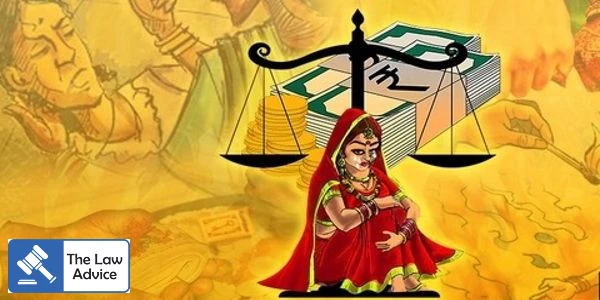
The Supreme Court on Friday strongly criticised dowry harassment while hearing a case related to the death of a woman in her matrimonial home in Chhattisgarh.
A Bench of Justice BV Nagarathna and Justice Ujjal Bhuyan refused to interfere with the conviction of the husband’s younger brother under Section 498A of the IPC for cruelty and harassment.
During the hearing, Justice Nagarathna made sharp remarks against the treatment of brides and their families after marriage.
“Why do boys marry girls and then insult them and their families? Let a message go out that they cannot continue insulting the bride and her family,” the judge observed.
The case relates to the death of a woman in 2010 who was found hanging within three years of her marriage. According to the prosecution, she was repeatedly harassed by her husband and his family over dowry demands, including money and a car.
The trial court found that the woman died under unnatural circumstances within seven years of marriage. Evidence showed that her family had been pressured for money and subjected to harassment shortly before her death.
Medical evidence confirmed death due to hanging. The courts held that the continued dowry demands and harassment were closely linked to her death.
Several members of the husband’s family were convicted under Sections 304B (dowry death), 306 (abetment of suicide) and 498A (cruelty and harassment) of the IPC. The Chhattisgarh High Court later upheld the conviction.
In the Supreme Court, the petitioner argued that he was only accused under Section 498A and should be given relief.
However, the Court refused to accept the argument.
“You should be happy that it is only 498A and only three years,” Justice Nagarathna remarked.
The judge also said that many families try to financially exploit the bride’s side after marriage.
“Attempt is to squeeze the bride and her family,” she said.
Referring to the allegations in the case, Justice Nagarathna said the girl’s family was allegedly called “beggars” even when they were trying to fulfil the demands to protect their daughter.
When the petitioner’s lawyer pointed to delay in filing the FIR, the Court dismissed the argument, saying, “Let the message go. This is how brides are treated.”
Justice Ujjal Bhuyan also expressed concern and observed, “These are educated people.”
The Supreme Court finally dismissed the appeal and upheld the conviction.
Website designed, developed and maintained by webexy