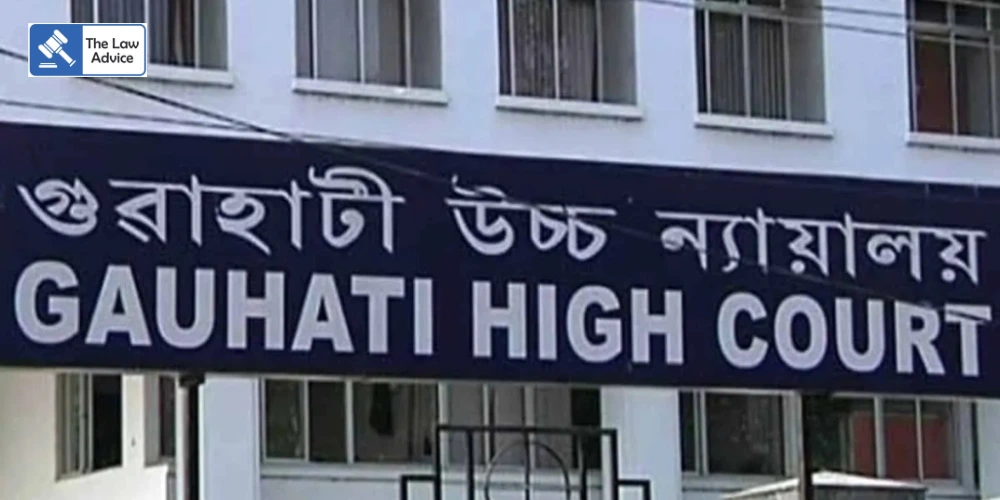
Gauhati HC Introduces Hybrid Hearings, Work-From-Home SOP To Cut Fuel Consumption
In a move aimed at promoting fuel conservation and improving administrative efficiency, the Gauhati High Court has issued a detailed Standard Operating Procedure (SOP) for its Principal Seat, Outlying Benches, and subordinate courts functioning across the Northeast.
Under the new SOP, matters listed on Mondays and Fridays will, as far as possible, be heard through video conferencing. Separate VC links will be generated for such hearings, while Court Masters will coordinate proceedings to ensure smooth conduct of court work.
The High Court has also introduced a series of measures to reduce fuel consumption and optimise official functioning. Judges have been encouraged to use car-pooling arrangements wherever feasible, and the use of official vehicles for administrative purposes has been curtailed. Different departments and sections have further been directed to club multiple official requirements into single trips to minimise travel.
As part of the revised working arrangement, up to 50 per cent of staff in administrative and judicial sections will attend office on alternate days, subject to administrative requirements. However, certain exempted categories of officials will continue regular physical attendance.
The SOP places significant emphasis on digital functioning through the e-Office platform. All administrative file movements and official communications are to be processed electronically, with physical movement of files discouraged except where absolutely necessary.
Employees working under the roster system and not physically present in office have been directed to remain accessible through telephone, mobile phones, and e-office during working hours. They must also be ready to report to office at short notice if required.
Registrars have been asked to prepare weekly duty rosters in advance, while Administrative Officers (Judicial) will monitor the e-office dashboard to ensure that official work is completed within timelines.
The SOP further provides that administrative meetings of various committees will now be conducted through video conferencing, with meeting notes and briefs circulated electronically through email.
At the same time, the High Court has exempted several essential sections from work-from-home arrangements and fuel-saving restrictions. These include the Protocol Section, Filing Section, Copying Section, Bench Section, Computer Section, and the e-Courts Division. The Court observed that uninterrupted functioning of these wings is necessary for smooth court proceedings, server maintenance, physical coordination, and stable video conferencing infrastructure.
The directions have also been extended to district courts in Assam, Nagaland, Mizoram, and Arunachal Pradesh. District Judges, Chief Judicial Magistrates, Sub-Divisional Judicial Magistrates, and Presiding Officers of tribunals and special courts have been instructed to issue separate notifications for implementation within their respective jurisdictions.
Additionally, all training programmes conducted by the Judicial Academy, Assam, will now be held in virtual or online mode.
According to the notification, the SOP will come into force on May 25, 2026, and remain effective till June 26, 2026, after which the situation will be reviewed.