
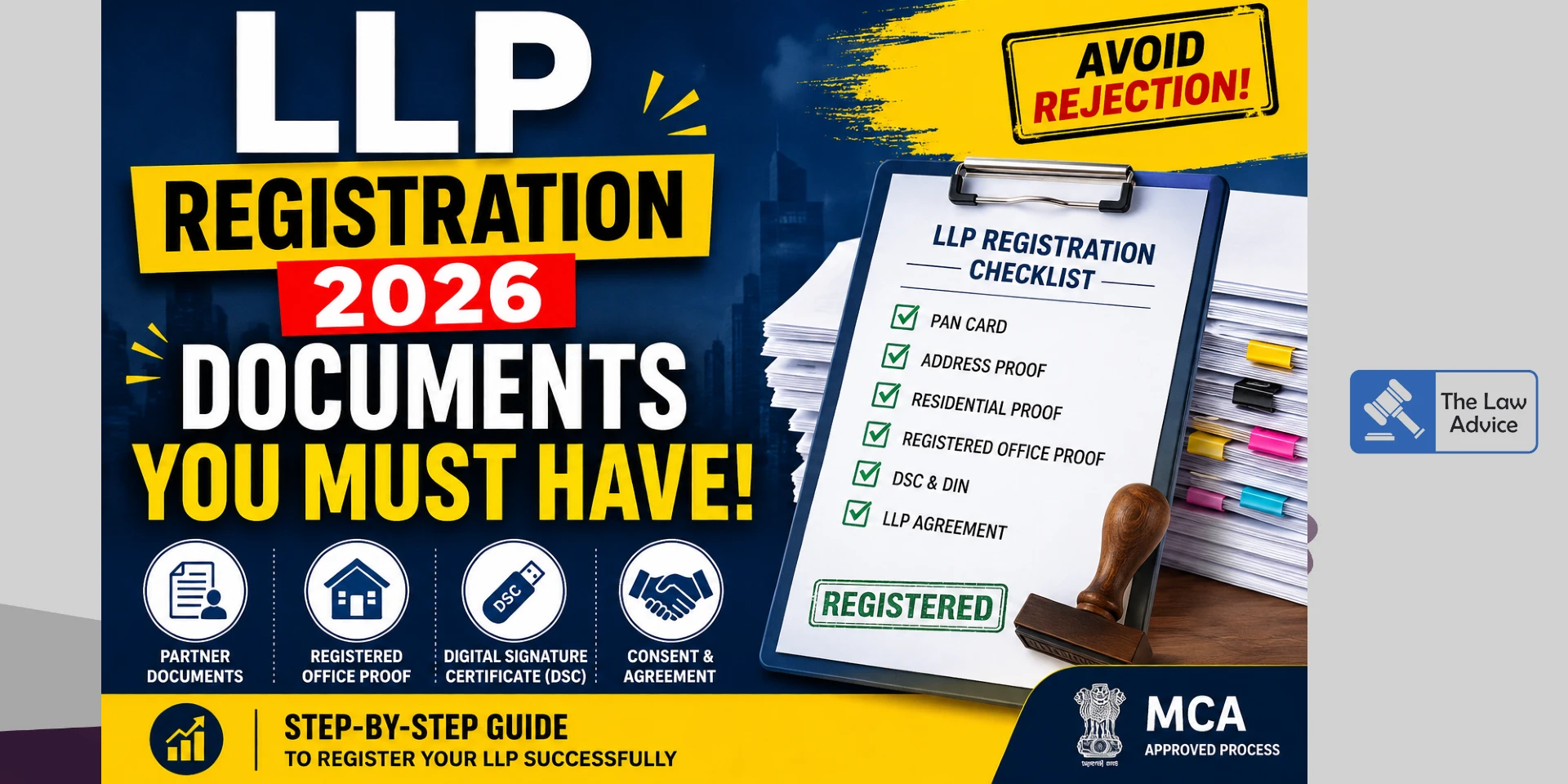
Documents You Need for LLP Registration Success in India
Establishing a Limited Liability Partnership (LLP) has become a preferred choice for startups and small businesses in India due to its flexibility, limited liability protection, and comparatively आसान compliance structure. Governed by the Limited Liability Partnership Act, 2008, an LLP combines the operational ease of a partnership with the legal protection of a corporate entity. However, the success of LLP registration largely depends on one critical factor—proper documentation.
What is an LLP and Why Should You Register It?
A Limited Liability Partnership (LLP) is a hybrid business structure where partners have limited liability, meaning their personal assets are protected from business liabilities. At the same time, it allows flexibility in internal management without stringent corporate formalities.
Key Advantages:
-
Protection of personal assets
-
Separate legal identity
-
Lower compliance burden compared to companies
-
Tax efficiency and operational flexibility
Basic Requirements for LLP Registration in India
Before initiating the registration process, ensure you meet the following criteria:
-
Minimum Two Partners: At least two designated partners are required, with one being a resident of India
-
Unique Name: The LLP name must comply with guidelines issued by the Ministry of Corporate Affairs and should not resemble any existing entity
-
Registered Office: A valid address in India for official communication
Essential Documents for LLP Registration
Proper documentation ensures smooth approval and avoids unnecessary delays. Here are the key documents required:
1. Documents of Partners
-
PAN Card: Mandatory identity proof for Indian partners
-
Address Proof: Aadhaar card, voter ID, passport, or driving license
-
Residential Proof: Recent utility bills (not older than 2 months)
-
Passport (for Foreign Nationals): Along with notarized address proof
2. Registered Office Address Proof
-
Ownership Documents: Sale deed or property papers (if owned)
-
NOC from Owner: Required if the property is rented
-
Utility Bill: Latest electricity, water, or gas bill
3. Digital Signature Certificate (DSC)
All designated partners must obtain a Digital Signature Certificate for filing forms online on the MCA portal.
4. Consent of Partners
Each designated partner must give formal consent to act as a partner in the LLP.
5. LLP Agreement
Though not required at the incorporation stage, the LLP Agreement must be filed within 30 days of registration. It defines roles, responsibilities, and profit-sharing ratios.
Step-by-Step LLP Registration Process
-
Obtain DSC: For all designated partners
-
Apply for DIN: Director Identification Number through MCA
-
Reserve Name: Using RUN-LLP service
-
File Incorporation Form: Submit Form FiLLiP with required documents
-
Certificate of Incorporation: Issued by the Registrar
-
File LLP Agreement: Within 30 days of incorporation
Common Challenges in LLP Registration
Despite a streamlined process, applicants often face issues such as:
-
Incomplete Documentation: Missing or outdated documents cause delays
-
Name Rejection: Similar or non-compliant names are often rejected
-
Incorrect Address Proof: Mismatch in documents leads to objections
To avoid such hurdles, professional guidance or structured compliance support can be beneficial.
Cost of LLP Registration in India
The registration fee depends on the capital contribution:
-
Up to ₹1 lakh: ₹500
-
₹1 lakh to ₹5 lakh: ₹2,000
-
Additional costs include DSC charges, professional fees, and stamp duty on the LLP Agreement
Benefits of LLP Registration
-
Limited Liability Protection
-
Flexible Business Structure
-
Recognition under Startup India initiatives
-
Ease in obtaining licenses like Import Export Code (IEC)
Why Documentation is Crucial
Accurate and complete documentation ensures:
-
Faster approval from authorities
-
Avoidance of penalties or rejections
-
Smooth transition from incorporation to business operations
Role of MCA in LLP Registration
The entire LLP registration process is regulated by the Ministry of Corporate Affairs, which ensures transparency, legal compliance, and digital accessibility through its online portal.
Conclusion
LLP registration in India is a straightforward process—provided your documentation is accurate and complete. Whether you are a startup founder or an established entrepreneur, choosing an LLP structure can offer both legal protection and operational ease. The key lies in understanding the requirements, preparing the right documents, and following the process diligently.
In the end, strong documentation is not just a procedural requirement—it is the foundation of a successful LLP.