
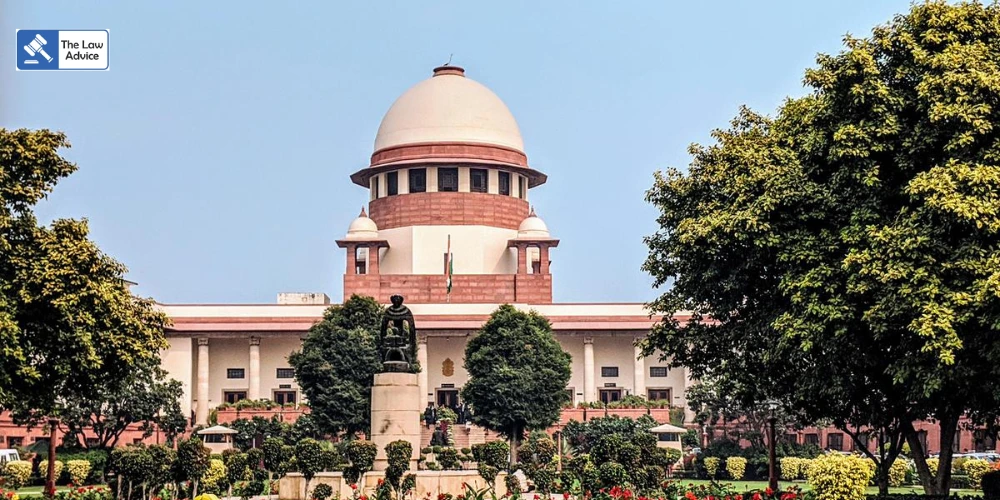
The Supreme Court on Thursday called for comprehensive data from every High Court on the backlog of acid attack trials, expressing shock over the justice system’s prolonged delays in such grave matters.
A Bench of Chief Justice of India Surya Kant and Justice Joymalya Bagchi issued directions to Registrar Generals across the country to provide detailed information on all pending trials involving acid attacks. The Court was hearing a plea focused on the conditions and rights of acid attack survivors.
The petitioner—herself a survivor—appeared in person and narrated her ordeal before the Bench. She disclosed that she was attacked in 2009, yet despite 16 long years, the trial has still not reached conclusion. “Mere saath 2009 mein attack hua tha, abhi tak trial khatam nahi hua,” she told the Court. She added that for the first four years, there was barely any progress, and the matter is only now nearing conclusion before a Rohini court in Delhi.
Visibly perturbed, the CJI remarked:
“A 2009 offence and the trial is still not over? If the national capital cannot respond to such crimes, then who will? This is a shame on the system.”
The survivor stated that she had almost given up until a new trial judge, Dr. Parminder Kaur, revived the matter. She also informed the Court that she now works actively to support other survivors.
The CJI instructed her to file a plea seeking a day-to-day hearing, stressing that trials in such offences must be urgently expedited.
The petitioner also highlighted a growing pattern of perpetrators forcing victims to ingest acid, leading to extreme disabilities—many survivors remain bedridden, unable to consume food normally, and require permanent medical support. The PIL seeks better recognition and relief for such victims.
Solicitor General Tushar Mehta agreed that these survivors must be treated as persons with disabilities under the Rights of Persons with Disabilities Act, 2016. The CJI suggested the Union Government consider amendments to specifically include acid attack survivors within the statutory framework, to which the SG responded positively.
Calling the delay “a mockery of justice,” the CJI urged that such offences should be handled by Special Courts, given their severity and the irreversible trauma inflicted. SG Mehta echoed the sentiment, stating that perpetrators must face equal ruthlessness.
The Court then passed the following directions:
“Issue notice. Learned Solicitor General accepts notice and expresses concern for the issues raised. Registrar Generals of all High Courts shall submit details of pending trials involving acid attack victims in their jurisdictions.”
The SG clarified that this survivor’s case originally arose in Haryana, prompting the Court to suggest impleadment of the State. Since the matter now lies before a Delhi court, the Bench advised the petitioner to simultaneously move for expeditious disposal of the ongoing trial.
Assuring support, the CJI concluded:
“File an application in the PIL. We will order day-to-day trial.”
Case Title: Shaheen Malik v. Union of India
W.P.(C) No. 1112/2025
Website designed, developed and maintained by webexy