
The Supreme Court has held that an accused prosecuted under the Official Secrets Act, 1923 cannot be denied access to documents forming part of the chargesheet merely on the ground of national security concerns, emphasizing that the right to a fair trial includes access to material relied upon by the prosecution.
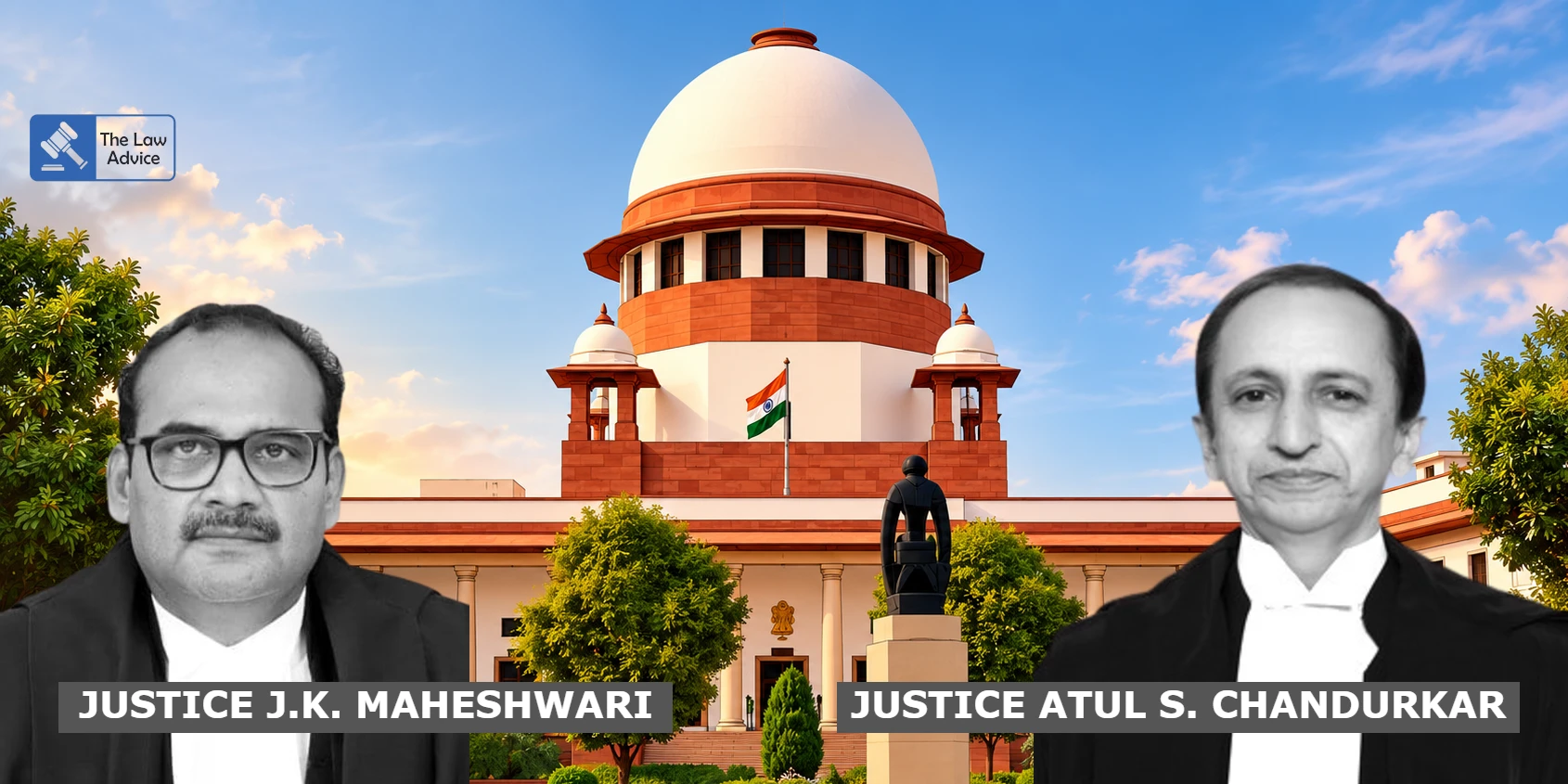
In V.K. Singh v. Central Bureau of Investigation, a Bench of Justice J.K. Maheshwari and Justice Atul S. Chandurkar allowed the appeal filed by former Major General V.K. Singh and directed the prosecution to provide typed copies of documents sought by him under Section 207 CrPC, subject to strict safeguards against public disclosure.
V.K. Singh, a retired Major General of the Indian Army and former Joint Secretary in the Cabinet Secretariat (R&AW), is facing prosecution under Sections 3 and 5 of the Official Secrets Act and Sections 409 and 120-B IPC.
The prosecution alleges that Singh's 2007 book, "India's External Intelligence – Secrets of Research and Analysis Wing (RAW)," disclosed classified information relating to intelligence operations, officials, station codes, technical projects and national security matters.
After the chargesheet was filed in 2008, several classified documents were kept in sealed cover. Singh sought copies of those documents, arguing that they were necessary for his defence.
The Court observed that Section 207 CrPC mandates supply of all documents forwarded with the chargesheet and relied upon by the prosecution.
It held that an accused cannot effectively defend himself without access to the material being used against him.
The Bench emphasized that withholding such documents could seriously prejudice the accused's right to a fair trial, which is protected under Article 21 of the Constitution.
Rejecting the prosecution's argument that disclosure could compromise national security, the Court relied on the landmark decision in Superintendent and Remembrancer of Legal Affairs v. Satyen Bhowmick.
The Court reiterated that invocation of the Official Secrets Act does not extinguish an accused person's right to receive copies of documents forming part of the prosecution case.
It noted that if Parliament intended to take away such a valuable defence right, it would have used clear and explicit language.
While recognizing national security concerns, the Court sought to strike a balance between the accused's defence rights and the State's interest in protecting sensitive information.
During the hearing, the Additional Solicitor General proposed supplying typed copies of the documents on the condition that they be used solely for court proceedings and not circulated through print, electronic or social media.
Accepting the proposal, the Court directed that the documents be supplied within two months.
The accused and his counsel will also be permitted to inspect the original documents before the trial court whenever necessary.
To protect confidential information, the Court imposed strict safeguards:
The documents may be used only for defence in the criminal trial.
No part of the material may be published, shared, circulated or disclosed through electronic, print or social media platforms.
The accused must file an undertaking before the trial court within one month agreeing to these restrictions.
The Supreme Court reaffirmed that national security concerns, though important, cannot be used to completely deprive an accused of access to documents relied upon by the prosecution.
The judgment reinforces the principle that a fair trial requires meaningful access to evidence, while also allowing courts to impose safeguards to prevent misuse of sensitive information.
Website designed, developed and maintained by webexy