
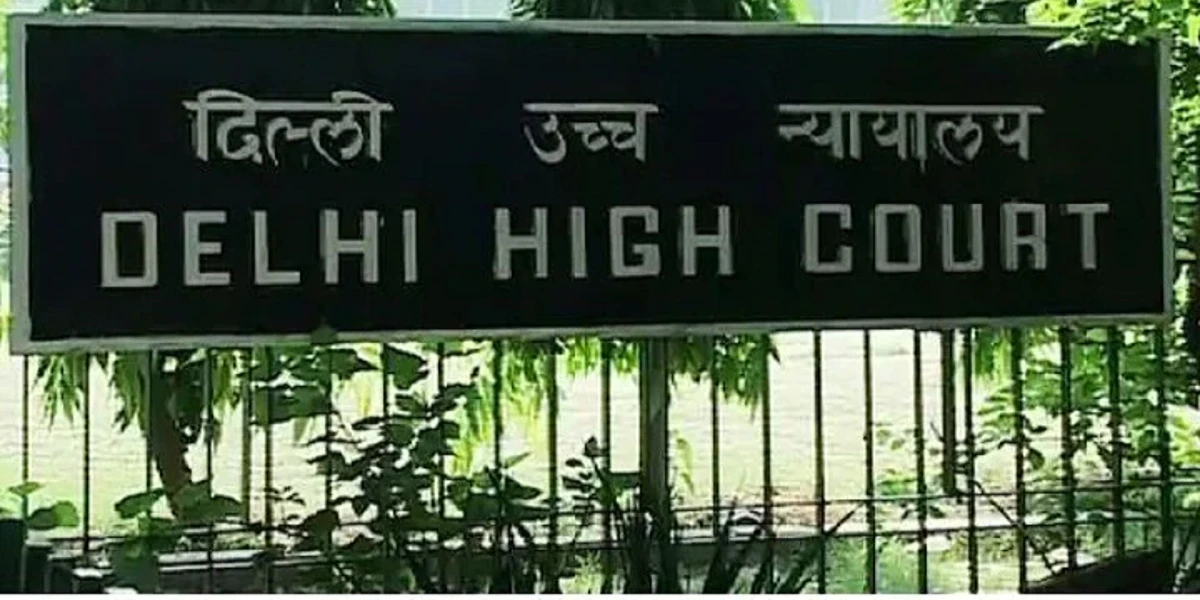
The Delhi High Court on Wednesday sought responses from Jamia Millia Islamia and a private recruitment agency on a public interest litigation (PIL) alleging religious discrimination in the recruitment of outsourced non-teaching staff at the central university.
A Division Bench comprising Justice Devendra Kumar Upadhyaya and Justice Tejas Karia issued notices in the matter after hearing a plea filed by Jamia employee Ram Nivas Singh through Senior Advocate Arun Bhardwaj.
The petition alleged that the recruitment process for nearly 986 outsourced posts was carried out in a discriminatory manner and disproportionately favoured candidates belonging to a particular religious community. According to the plea, around 720 of the selected candidates were Muslims, raising concerns about fairness and equal opportunity in public employment.
The petitioner argued that Jamia Millia Islamia, being a centrally funded university, is constitutionally bound to follow principles of equality and non-discrimination while making appointments, even in cases involving outsourced staff. It was contended that the recruitment exercise violated Articles 14 and 16 of the Constitution of India, which guarantee equality before law and equal opportunity in matters of public employment.
During the hearing, Senior Advocate Arun Bhardwaj submitted that appointments in public institutions cannot be influenced by religious considerations and must strictly adhere to transparent and merit-based procedures. The plea also sought judicial scrutiny of the recruitment process undertaken through the outsourcing agency.
Taking note of the submissions, the Bench directed the university and the concerned agency to file their replies and placed the matter for further consideration on a later date.
The case is likely to examine the extent to which constitutional safeguards relating to equality apply to outsourced appointments made by public institutions and whether the recruitment process adopted in the present case meets the standards of fairness expected from a central university.
Website designed, developed and maintained by webexy