
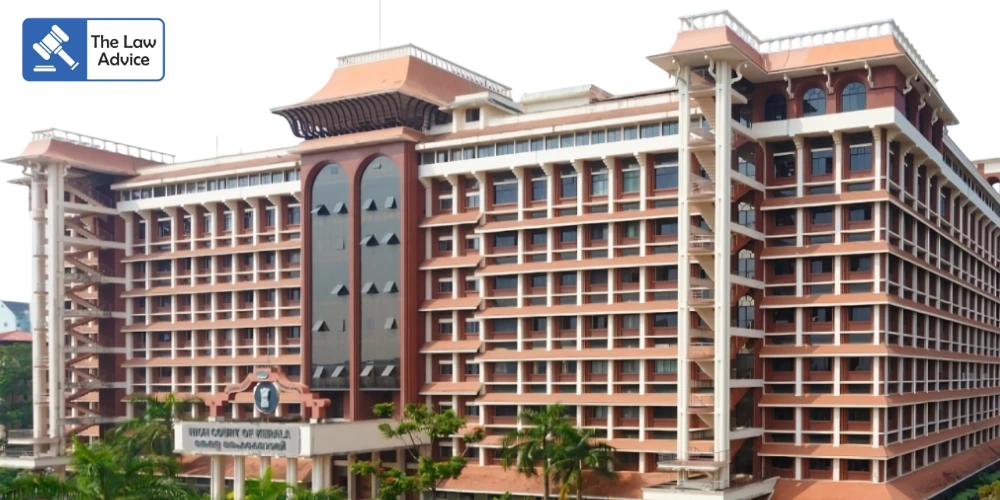
The Kerala High Court recently entertained an anticipatory bail application filed directly before it, without the petitioner first approaching the Sessions Court, after accepting the contention that no lawyer practicing before the Sessions Court was willing to accept the petitioner’s vakalath, constituting an exceptional circumstance.
Justice K. Babu was dealing with a pre-arrest bail plea filed by a lawyer practicing in Palakkad, who stands accused of offences under Sections 78 and 79 of the Bharatiya Nyaya Sanhita, 2023, relating to stalking and acts intended to insult the modesty of a woman, along with Sections 119(a) and 119(b) of the Kerala Police Act, 2011, which deal with atrocities against women.
The prosecution case alleged that the accused boarded the same private bus as the defacto complainant, also a woman lawyer, attempted to take her photographs, and later made sexually coloured remarks when she questioned his conduct.
The Court took note of the recent observations of the Supreme Court in Mohammed Rasal C v. State of Kerala (2025), wherein notice was issued to the Kerala High Court for entertaining anticipatory bail pleas by bypassing the Sessions Court. The Apex Court had emphasised that despite concurrent jurisdiction, judicial discipline requires that the High Court should ordinarily not be approached directly for anticipatory bail, except in exceptional circumstances.
In line with the Supreme Court’s observations, the Kerala High Court has generally refrained from entertaining such pleas without prior recourse to the Sessions Court. However, in the present case, the petitioner contended that since the complainant was a lawyer practicing at the same Bar, no advocate was willing to file or argue his application before the Sessions Court, leaving him with no effective alternative remedy.
Accepting this explanation as sufficient to consider the plea on merits, the High Court proceeded to examine the case diary. Upon scrutiny, the Court found that serious and grave allegations were made against the petitioner, including demands for sexual favours and sexually coloured remarks.
Holding that the nature of accusations disentitled the petitioner from the extraordinary relief of anticipatory bail under Section 482 of the BNSS, the Court dismissed the application.
Website designed, developed and maintained by webexy