
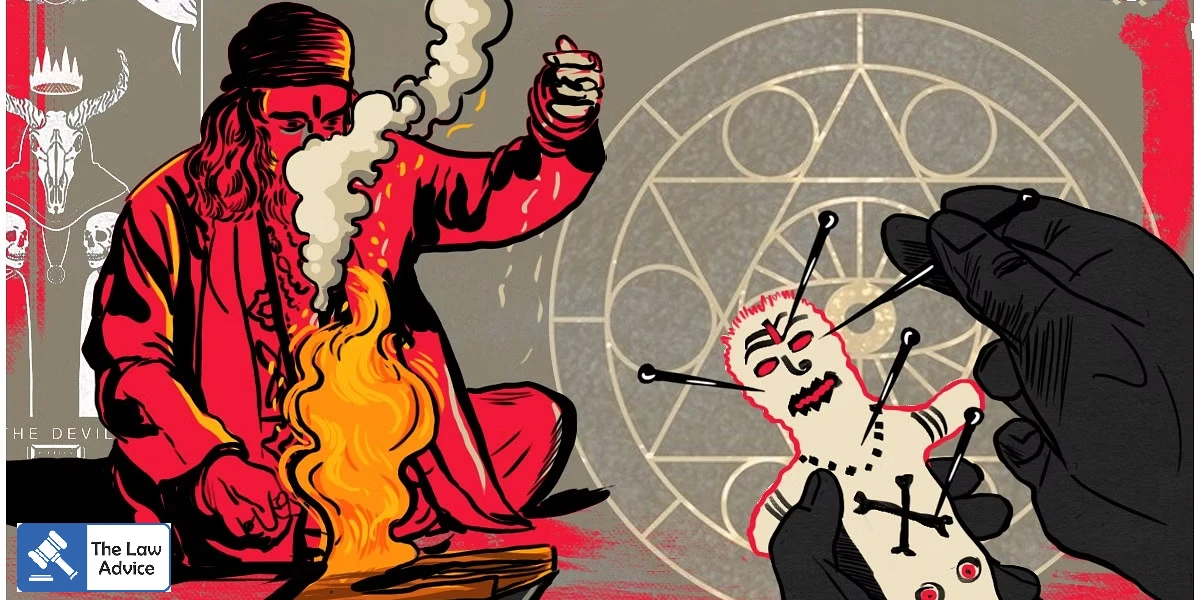
The Greater Mumbai Sessions Court at Mazgaon has set aside the order summoning Niket Vijay Mehta in the Lilavati Hospital black magic case, holding that the mere discovery of ritual pots (kalash) buried beneath the floor, without evidence of any criminal intent or unlawful activity, does not constitute an offence.
Additional Sessions Judge Kunal Dhanaji Jadhav allowed Criminal Revision Application No. 01 of 2026 and set aside the December 8, 2025 order passed by the Judicial Magistrate First Class, 12th Court, Bandra, Mumbai.
The case arose from a complaint filed by Prashant Mehta, who claimed to be a permanent trustee of the Lilavati Kirtilal Mehta Medical Trust. He alleged that after taking over the trust's administration pursuant to a Supreme Court order dated September 18, 2023, eight copper pots were discovered buried beneath the floor of his cabin on September 21, 2024.
According to the complaint, the pots contained human remains, rice, hair, ash and other materials suspected to have been used in black magic rituals. Prashant accused former management members, including Niket Mehta and six others, of performing occult practices to seek supernatural blessings and cause harm to the trustees.
However, the Sessions Court found several gaps in the complaint and the evidence produced in support of the allegations. It noted that there was no clear explanation about who had buried the pots, when they were buried or what specific role each of the accused had allegedly played.
The court also pointed out that no forensic evidence had been produced to establish whether the recovered bones were human remains or whether the hair and other materials had any connection with an unlawful activity.
Importantly, the judge observed that burying ritual pots containing rice, sacred water, coins and other materials could be part of customary Hindu practices associated with Vastu and religious ceremonies.
The court held that such religious or customary practices cannot automatically be treated as criminal acts unless there is evidence of prohibited conduct or an intention to cause harm, deception or fear.
Finding that the magistrate's order summoning Niket Mehta was not supported by sufficient legal grounds, the Sessions Court allowed his revision application and quashed the summons issued against him.
Website designed, developed and maintained by webexy