
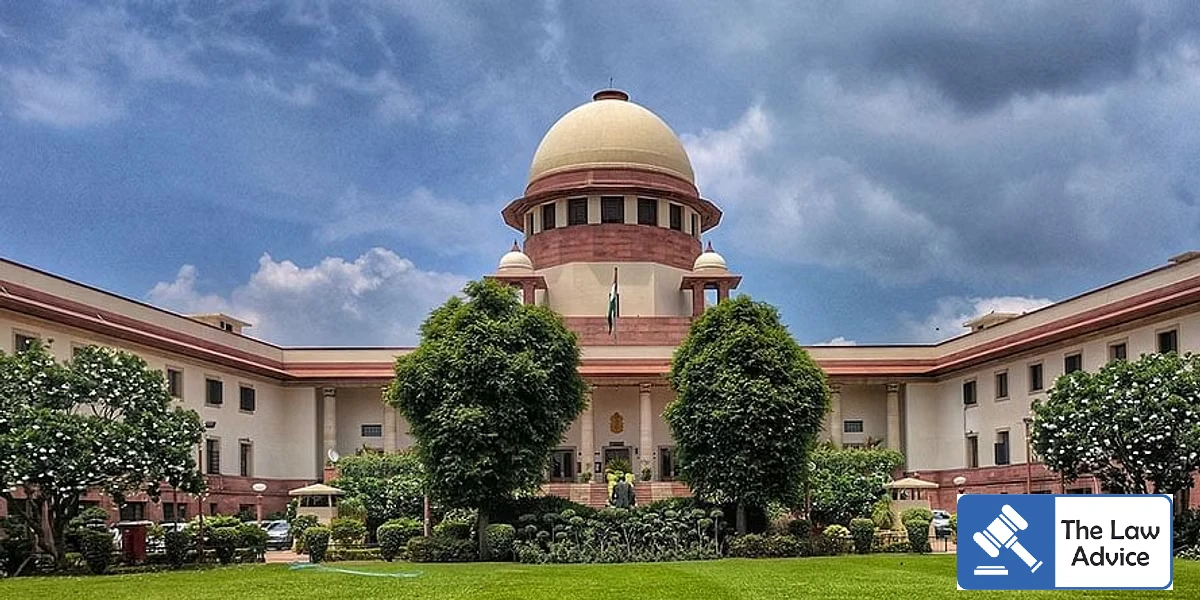
In a major push to speed up bail hearings and protect personal liberty, the Supreme Court today issued directions to High Courts across the country for the timely disposal of bail applications.
A Bench led by Chief Justice of India Surya Kant and Justice Joymalya Bagchi expressed concern over the delay in hearing bail matters in several High Courts, particularly the Allahabad High Court and the Patna High Court.
“Patna and Allahabad High Courts are the most problematic,” Chief Justice Surya Kant remarked while laying down guidelines aimed at ensuring quicker hearings in bail cases. He, however, clarified that the observations were not meant as criticism but as an effort to improve the efficiency of the judicial system.
The Supreme Court was dealing with a matter in which it had earlier sought details from all High Courts regarding pending bail applications. While noting that most High Courts had shared the required data and taken steps to ensure faster disposal of bail matters, the Bench flagged the alarming pendency in some jurisdictions.
The Court noted that despite judges in the Allahabad High Court hearing “hundreds of cases in a day”, the pendency of bail matters remained “too large”.
To address the issue, the Supreme Court directed all High Courts to list bail applications either every week or every fortnight. It also suggested creating an automatic relisting system so that bail pleas not taken up for hearing are re-listed within two weeks.
In another important direction, the Court said fresh bail applications should ordinarily be listed within one week of filing or on alternate working days. It also made it mandatory for status reports to be filed before the first hearing of a bail matter to avoid unnecessary delays.
The Bench further directed lawyers filing bail applications to serve advance copies to the office of the Advocate General or any designated agency. At the same time, it said the existing practice of issuing notice at the admission stage in bail matters should generally be avoided, observing that it often slows down the process.
The Court also asked High Courts to prescribe an outer timeline for deciding bail applications and directed that matters remaining unheard should be automatically relisted. It cautioned against granting “casual adjournments” to states or the Union government in bail cases.
“Courts have a solemn duty to protect fundamental rights and personal liberty,” the Bench observed.
The Supreme Court also raised concerns over delays in forensic reports despite the establishment of forensic science laboratories across states. It directed Chief Justices of High Courts to engage with state authorities to ensure FSL reports are submitted within a reasonable time.
In cases involving victims, the Court observed that investigating officers must understand that lapses in investigation can eventually strengthen the case for grant of bail to accused persons. Stressing the need for coordination, the Bench said High Courts and investigating agencies must work in a “collaborative approach” to ensure speedy disposal of bail applications without compromising the rights of victims.
Website designed, developed and maintained by webexy