
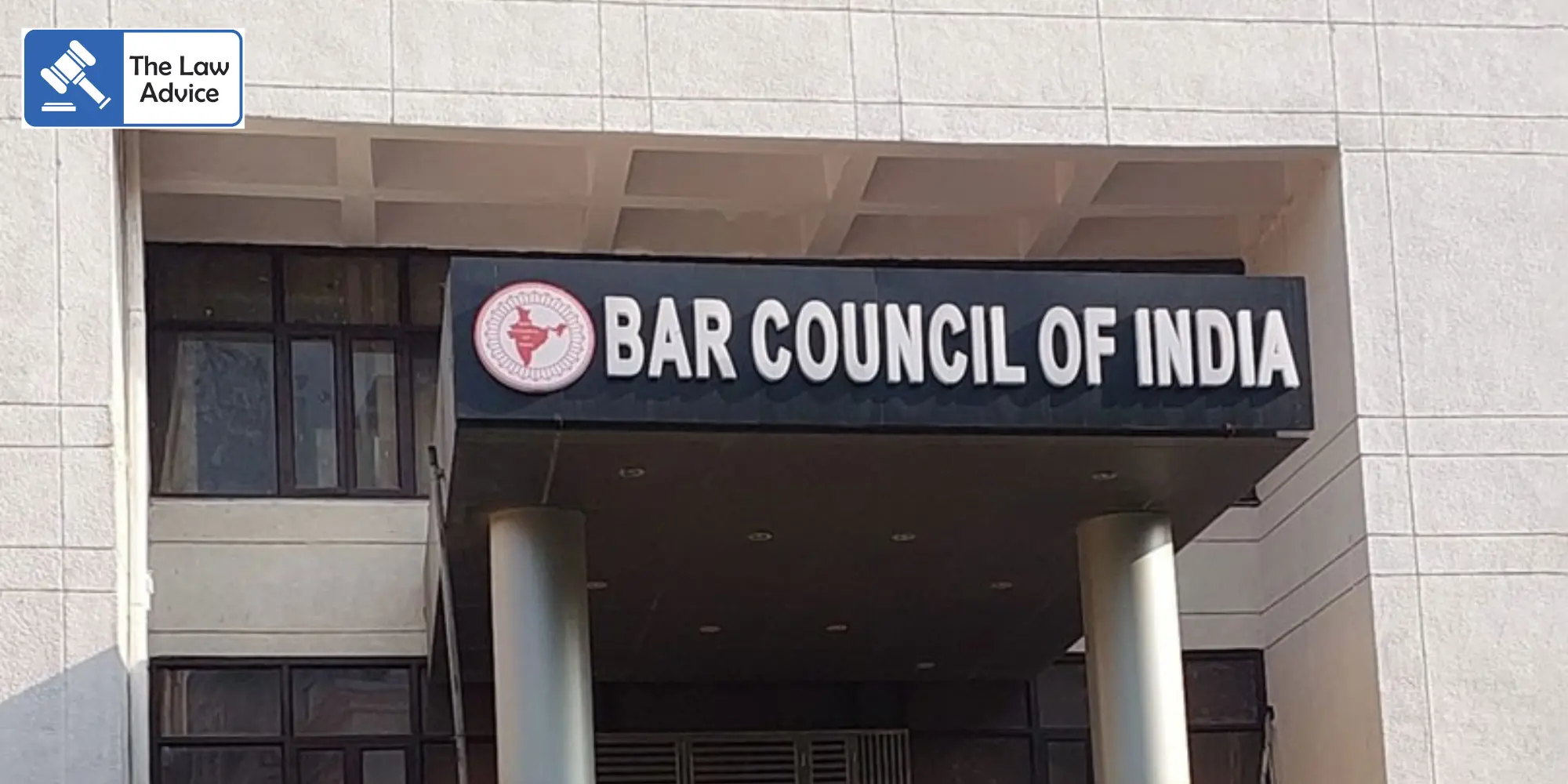
The Supreme Court on Tuesday issued notice on a petition filed by the Bar Council of India (BCI) challenging the Kerala High Court’s ruling that the Kerala State Bar Council had no legal authority to continue disciplinary proceedings after the expiry of its extended tenure on May 6, 2024. The High Court had held that in the absence of a properly elected Council, disciplinary action against Kerala High Court Advocates’ Association President, advocate Yeshwanth Shenoy, could not lawfully proceed.
The Bench of Chief Justice Surya Kant and Justice Joymalya Bagchi directed issuance of notice.
The controversy originates from allegations levelled by former Kerala High Court Judge Mary Joseph, accusing Shenoy of misbehaviour in court – including yelling at her and threatening to ensure her removal from the Bench. Acting on the judge’s communication, the Kerala Bar Council initiated disciplinary proceedings alleging professional misconduct.
Separately, in March 2023, the High Court had begun suo motu criminal contempt proceedings against Shenoy, but a Division Bench later closed the case observing procedural lapses.
Shenoy challenged the Bar Council’s show-cause notice dated February 14, 2023, arguing that disciplinary action could not be treated as suo motu when it was based on a complaint, and that the complaint itself did not meet the required format.
A Single Judge initially dismissed his challenge and allowed the Bar Council to proceed. However, a Division Bench on June 20, 2025 reversed this finding, quashing the show-cause notice. It held that since the proceedings stemmed from a complaint dated February 9, 2023, they could not be categorized as suo motu. More importantly, the Bench ruled that with the expiration of the elected Council’s extended term in May 2024, the State Bar Council no longer retained disciplinary jurisdiction unless a Special Committee was constituted under Section 8A of the Advocates Act.
The High Court also rejected reliance on Rule 32 of the Certificate and Place of Practice (Verification) Rules, 2015, noting that the provision only allows continuation of the verification process and cannot be stretched to include disciplinary proceedings. The closure of the contempt case, it found, further prevented prosecution of the same allegations in another forum.
The BCI’s subsequent review petition was dismissed on October 17, 2025, with the Court finding no error apparent on record as required under Order XLVII Rule 1 CPC.
BCI has now approached the Supreme Court assailing both the main judgment and the review rejection.
Case Number: Diary No. 62809/2025
Case Title: Bar Council of India v. Yeshwanth Shenoy
Website designed, developed and maintained by webexy