
The Supreme Court has held that statements recorded by the police under Section 161 of the Code of Criminal Procedure, 1973 (CrPC), can be considered by a Magistrate at the stage of taking cognizance, even though such statements cannot be relied upon as substantive evidence at trial.
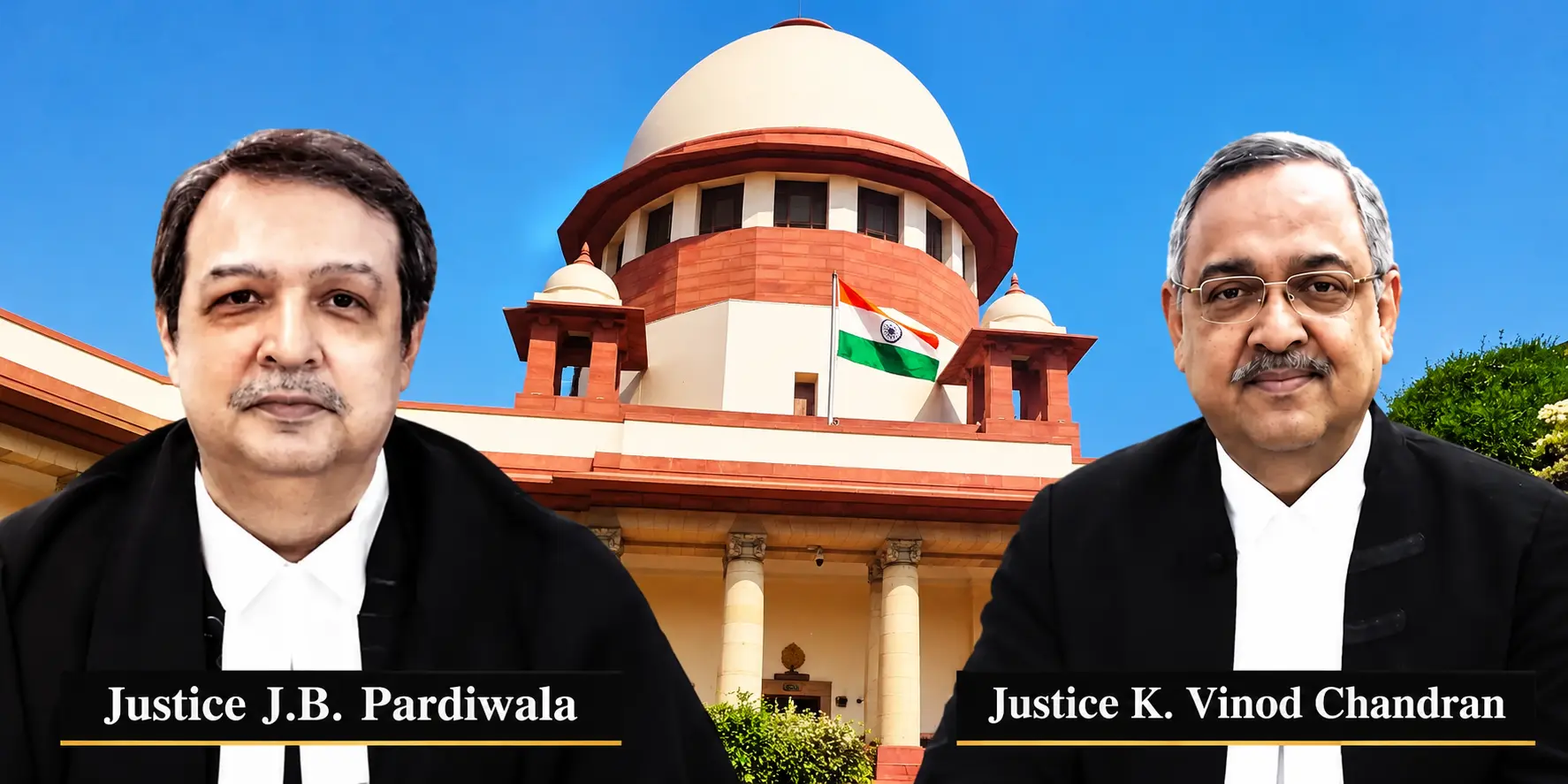
A Bench of Justice J.B. Pardiwala and Justice K. Vinod Chandran made the observation while setting aside a Patna High Court order that had interfered with a Magistrate’s decision to take cognizance of offences under Sections 302 and 201 of the Indian Penal Code (IPC), despite the police having filed a closure report.
The Court clarified that a police closure report does not prevent a Magistrate from taking cognizance if the material available on record warrants such a course. It also emphasised that the decision to take cognizance does not determine the outcome of the trial.
Background of the Case
The appellant, the father of the deceased, approached the Supreme Court after the Patna High Court quashed the Magistrate’s order taking cognizance of offences in connection with his son’s death by drowning.
The appellant alleged that Respondent No. 2 had played an active role in the death. According to the case presented, there was circumstantial material against the accused, including witness statements indicating that Respondent No. 2 had fled from the spot.
Following registration of the FIR and investigation, the police submitted a final report concluding that no case was made out against the accused. The appellant opposed the closure report by filing a protest petition, which was subsequently registered as a complaint case.
The Magistrate initially declined to take cognizance. The appellant challenged that decision before the Sessions Court by filing a revision petition.
The Additional Sessions Judge, after examining the material, directed the Magistrate to reconsider the final report. The Magistrate thereafter took cognizance of offences under Sections 302 and 201 IPC.
Respondent No. 2 challenged the cognizance order before the Patna High Court. The High Court interfered with the Magistrate’s decision, prompting the appellant to approach the Supreme Court.
Supreme Court’s Observations
The Supreme Court found that the High Court had failed to adequately consider the material examined by the Additional Sessions Judge, particularly the statements recorded under Section 161 CrPC and the circumstances supporting a prima facie case.
The Bench observed that such statements cannot be relied upon at trial in the manner of substantive evidence, but may be examined at the cognizance stage because they form part of the material placed before the Court by the investigating agency along with the final report.
The Court also reiterated that a Magistrate is not bound to accept a police closure report. The Court may independently consider the material available and take cognizance where the law permits.
The Bench noted that the Additional Sessions Judge had passed a detailed revisional order, considered the relevant witness statements and referred to judicial precedents recognising the power of a Magistrate to take cognizance despite a closure report. The High Court, however, had brushed aside those findings without adequately addressing the circumstances recorded in the revisional order.
Cognizance Despite Closure Report
The Supreme Court reiterated the settled legal position that filing a closure report does not automatically terminate the proceedings or deprive the Magistrate of the power to take cognizance.
At the stage of cognizance, the Court considers the material collected during the investigation and placed before it. The Magistrate is not required to accept the investigating officer’s conclusion that no offence is made out.
In the present case, the Sessions Court had found compelling circumstances warranting fresh consideration of the final report. The Supreme Court held that there was no justification for the High Court to interfere with the Magistrate’s subsequent decision to take cognizance.
Cognizance Order Will Not Govern the Trial
The Supreme Court made it clear that its decision was confined to the question of whether cognizance had been properly taken on the material available.
The Bench clarified that the views expressed by the Additional Sessions Judge, the Magistrate and the Supreme Court while considering cognizance would not regulate or govern the trial. The accused would remain entitled to contest the prosecution case in accordance with law.
Accordingly, the Supreme Court allowed the appeal, set aside the Patna High Court’s order and restored the Magistrate’s cognizance order. Respondent No. 2 was directed to appear before the Magistrate, who would proceed with the committal proceedings in accordance with law.
Legal Significance
The decision reiterates the distinction between the evidentiary use of police statements during trial and their consideration at the pre-trial stage. Statements recorded under Section 161 CrPC are not substantive evidence, but they may form part of the investigative material examined by the Magistrate while deciding whether to take cognizance.
The ruling also reinforces the principle that a police closure report is not binding on the Magistrate. The judicial authority must independently assess the material placed before it, while ensuring that observations made at the cognizance stage do not prejudice the eventual trial.
Case Details

Representation:-
For the Petitioner(s): Mr. Sparsh Chaudhary Advocate, Ms. Akansha AOR, Mr. Naman Raj Singh Advocate, Dr. Amardeep Gaur Advocate
For the Respondent(s): Mr. Amit Chaudhary Additional Standing Counsel Advocate, Ms. Aagam Kaur AOR, Ms. Nisha Bhaskar Advocate, Mr. Kartikey Advocate, Ms. Shrijeta Pratik Advocate, Mr. Anuj Prakaash Advocate, Mr. Niraj Dubey Advocate, Ms. Sohini Bardhan Advocate, Mr. Pradum Kumar Advocate
Website designed, developed and maintained by webexy