
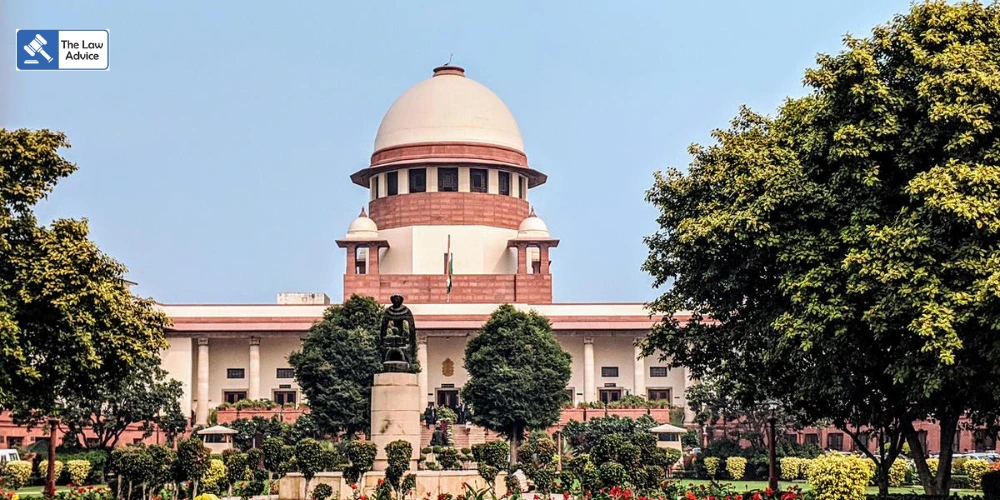
On September 26, the Supreme Court of India set aside criminal proceedings against a woman’s in-laws, who had been accused of domestic cruelty and mental harassment, citing the lack of specific allegations and reliance on vague, general statements.
A bench led by Chief Justice B.R. Gavai, along with Justices K. Vinod Chandran and Atul S. Chandurkar, allowed the appeal filed by the woman’s father-in-law, mother-in-law, and sister-in-law, effectively overturning the Bombay High Court’s earlier refusal to quash the case.
The original First Information Report (FIR) had accused the in-laws under Sections 498-A (cruelty), 377 (unnatural sex), and 506 read with Section 34 of the Indian Penal Code. However, the Supreme Court observed that the allegations against the appellants were vague and lacked any detailed or specific instances of wrongdoing. The complainant had primarily alleged that her husband forced her into unnatural sexual acts and subjected her to mental harassment, but the charges did not extend specifically to his family members.
The bench relied on the precedent Digambar and Another v. The State of Maharashtra and Another, 2024 LiveLaw (SC) 1025, which clarified that for an offence under Section 498-A to be made out, cruelty must be directed at the victim in a manner that either drives her to suicide, causes serious injury, or creates a real danger to her life, limb, or health.
The Court further emphasized:
“If the allegations in the FIR or complaint, even when taken at face value, do not prima facie constitute any offence against the accused, the proceedings should be quashed. Vague and general statements cannot form a prima facie case.”
The judgment, authored by Justice Chandurkar, noted that the complaint contained omnibus statements without particulars. For an offence under Section 498-A, the alleged cruelty must be intentional and of such severity that it causes grave harm or compels the victim toward self-harm—elements that were missing in the case against the in-laws.
Regarding the charges of unnatural sexual acts and criminal intimidation under Sections 377 and 506 read with Section 34, the Court clarified that these allegations were made solely against the husband. There was no evidence or claim implicating the father-in-law, mother-in-law, or sister-in-law in such conduct. Therefore, there was no basis to proceed against them.
In light of these considerations, the Supreme Court allowed the appeal, quashing the criminal proceedings against the woman’s in-laws.
Case Title: SANJAY D. JAIN & ORS. v. STATE OF MAHARASHTRA & ORS.
Website designed, developed and maintained by webexy