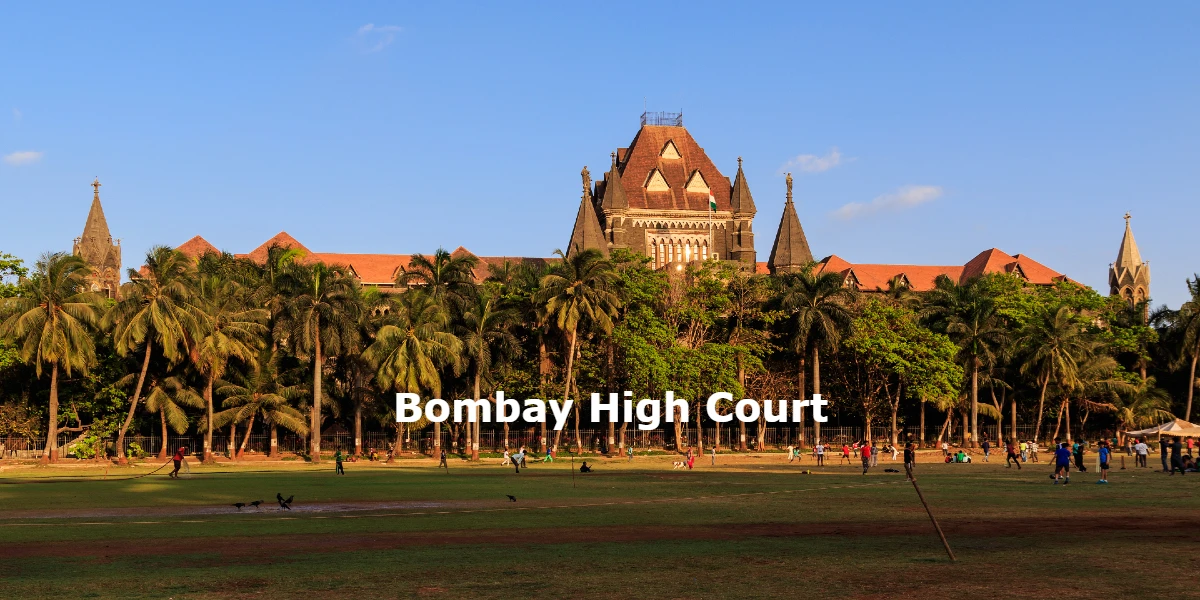
'Police Are Servants of the Public, Not the Government': Bombay HC Sets Aside Activist's Externment
The Bombay High Court has set aside a one-year externment order issued by the Mumbai Police against a political activist, holding that participation in peaceful protests and expression of dissent against the government cannot justify such drastic action.
Justice Madhav J. Jamdar strongly criticised the police for invoking the extraordinary power of externment against Saeed Ahmad Abdul Wahid Chaudhary, the General Secretary of the Socialist Democratic Party of India (SDPI), merely because he had organised and participated in protests on various public issues.
Questioning the rationale behind the police action, the Court remarked that criminal cases cannot be foisted upon citizens simply because they express disagreement with the government.
The judge observed that such an approach would effectively reduce citizens to "slaves of the government." The Court also reminded the police that they are servants of the public and not of those holding political office.
Emphasising the constitutional protection afforded to peaceful dissent, the Court held that every citizen has the fundamental right to protest and raise slogans against political leaders, provided such protests remain peaceful.
The case arose from a challenge to a December 2025 externment order passed against Chaudhary, which prohibited him from entering Mumbai for one year.
The police relied on several criminal cases registered against him between 2019 and 2024, alleging that he had organised demonstrations without obtaining prior police permission. These protests related to issues including the Citizenship (Amendment) Act (CAA), the National Register of Citizens (NRC), and disputes concerning the Babri Masjid and Gyanvapi mosque.
During some of these demonstrations, protesters had raised slogans such as "BJP government murdabad" and "Amit Shah murdabad."
Before the High Court, Chaudhary argued that the externment order was politically motivated and intended to prevent him from participating in public activities during important civic elections. He contended that the criminal cases cited by the police involved only minor offences carrying a maximum punishment of one month and therefore did not warrant an externment order.
The State defended the action, submitting that the protests had been held despite the police refusing permission.
Rejecting the State's justification, the High Court held that the externment order had been passed without any material demonstrating that Chaudhary posed a threat to public order, public safety or property.
The Court observed that externment is an exceptional measure meant to deal with persons whose presence poses a genuine danger to society and cannot be invoked merely because an individual participates in peaceful demonstrations or voices opposition to government policies.
Referring to Articles 19 and 21 of the Constitution, Justice Jamdar reiterated that the rights to freedom of speech and expression, peaceful protest and a life with dignity are fundamental constitutional guarantees.
The Court concluded that curtailing these rights solely because a citizen opposes government policies would undermine democratic values. It therefore quashed the externment order, reaffirming that peaceful dissent is an essential feature of a constitutional democracy.
#Bombay High Court# Justice Madhav J Jamdar# Mumbai Police# externment order# SDPI# Saeed Ahmad Abdul Wahid Chaudhary# Socialist Democratic Party of India# peaceful protest# right to protest# freedom of speech# Article 19# Article 21# anti-government prote
Website designed, developed and maintained by webexy