
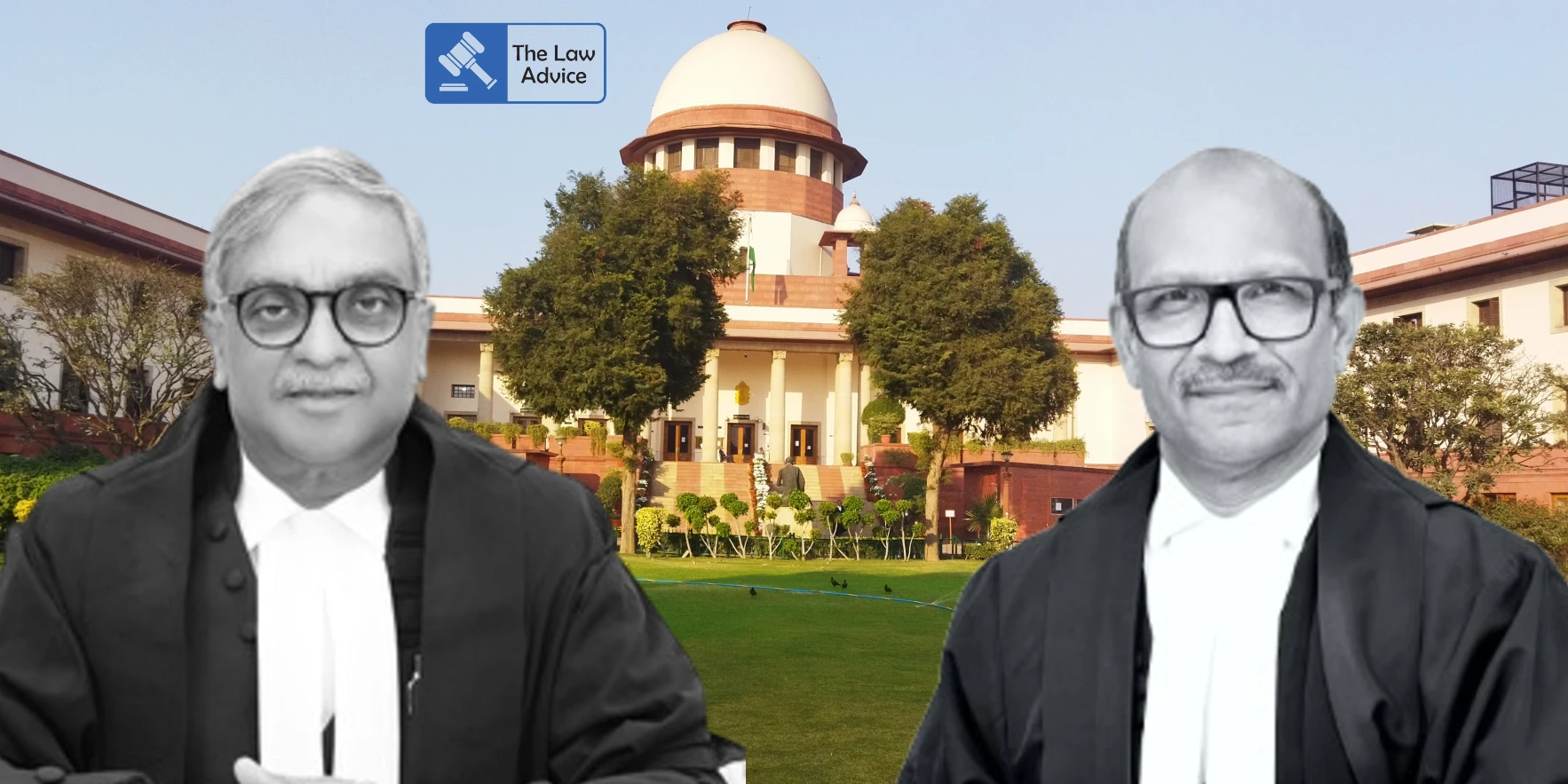
The Supreme Court of India has held that employees cannot be denied regularisation solely because their initial appointments were not made against sanctioned posts, especially when the State continued to utilise their services for decades.
Setting aside the judgment of the Gauhati High Court, a bench of Justice Vikram Nath and Justice Sandeep Mehta allowed a batch of appeals filed by muster roll workers engaged in various departments of the Government of Assam.
The workers had been serving continuously for more than a decade in regular governmental functions but were denied regularisation despite the State having already regularised nearly 30,000 similarly placed employees through a Cabinet policy.
The Court observed that the State of Assam could not rely on a “rigid or technical reading” of the decision in Secretary, State of Karnataka v. Umadevi after having itself framed a policy to regularise similarly situated workers.
The bench noted that engaging workers on muster rolls had become a long-standing policy of the State and that these employees were not hired for seasonal or temporary purposes, but had rendered continuous service for decades.
Criticising the State Government, the Court held that once a benefit is granted to one class of employees, it cannot arbitrarily deny the same benefit to other identically placed workers, as doing so would violate Article 14 of the Constitution.
The Court also relied on its earlier ruling in Jaggo v. Union of India, reiterating that the practice of retaining employees for years under temporary designations while extracting regular work has been consistently disapproved by the judiciary.
Accordingly, the Supreme Court allowed the appeals in Sukhendu Bhattacharjee and Others v. State of Assam and Others.
Case Details:-
CIVIL APPEAL NO(S). 4514 OF 2025
SUKHENDU BHATTACHARJEE AND OTHERS
VERSUS
THE STATE OF ASSAM AND OTHERS

Website designed, developed and maintained by webexy